What Is PTA Purified Terephthalic Acid? A Complete Guide
This article answers key questions about Purified Terephthalic Acid (PTA), from what it is and how it’s produced to why it’s critical in modern industry. We explore applications, market dynamics, sustainability trends, technical properties, and future outlook, backed by authoritative sources and data. PTA is a cornerstone of polyester production and an essential material in textiles, packaging, and more.
What Is Purified Terephthalic Acid?
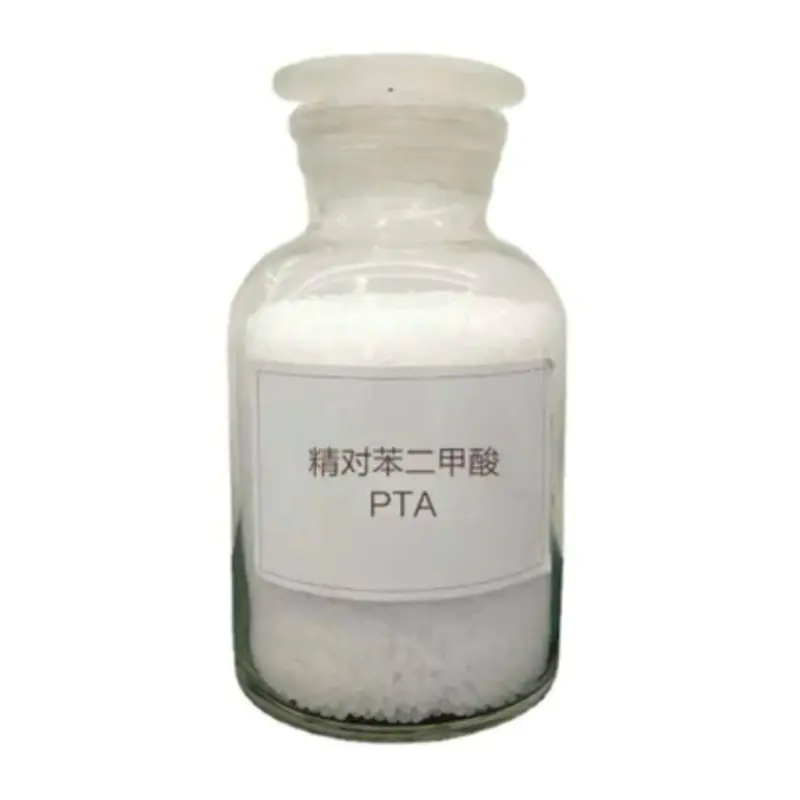
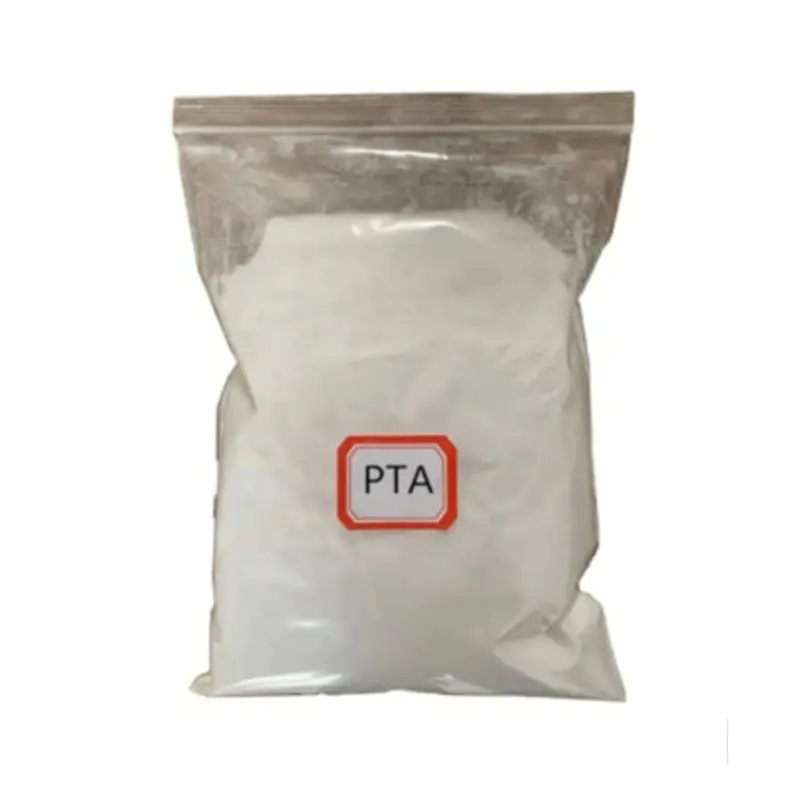
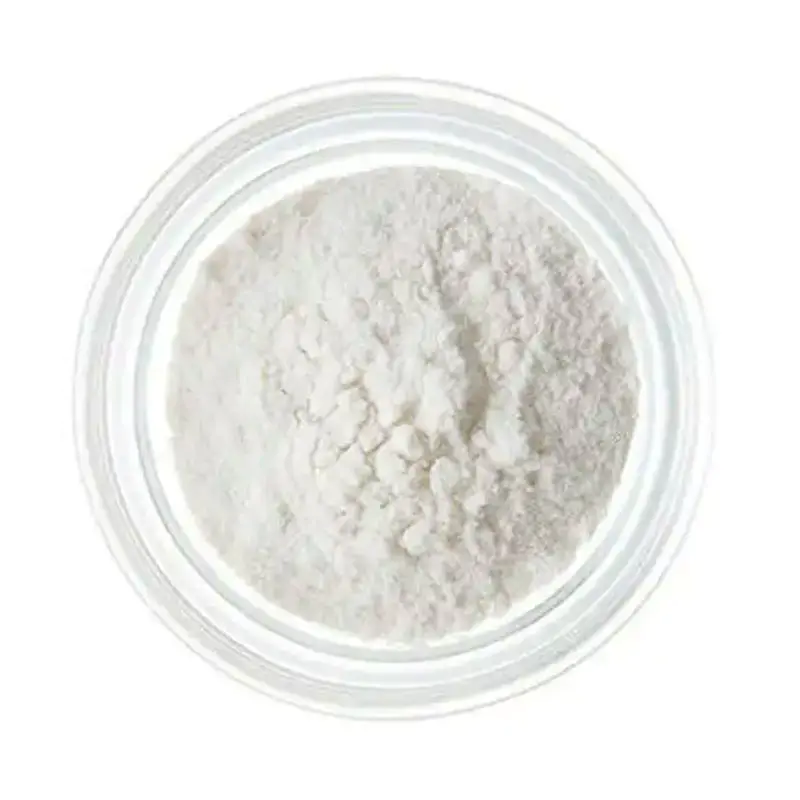
Purified Terephthalic Acid (PTA) is an organic chemical compound with the formula C6H4(CO2H)2. It appears as a white crystalline powder and serves as a major raw material in the production of polyester, especially polyethylene terephthalate (PET) resin. The chemical is essential in textiles, packaging, and engineering plastics.
How Is Purified Terephthalic Acid Made?
PTA is typically produced by the catalytic oxidation of paraxylene (PX) in an acetic acid solution with air. This process yields crude terephthalic acid, which is then refined through crystallization and filtration to reach polymer-grade purity.
Why Does Purified Terephthalic Acid Matter in Industry?
PTA’s importance stems from its role as the precursor to polyester, one of the most widely used materials globally. Polyester fibers dominate the textile sector due to their strength, durability and cost-effectiveness. PET resins made from PTA are ubiquitous in beverage bottles, packaging films, and cosmetic containers.
Which Industries Use Purified Terephthalic Acid?
|
Industry
|
Primary Use of PTA
|
|
Textile
|
Production of polyester fibers for apparel, home textiles, industrial fabrics.
|
|
Packaging
|
Manufacture of PET bottles, food containers, films.
|
|
Automotive
|
Lightweight polyester composites and interior components.
|
|
Electronics
|
Engineering plastics with stability and high-performance properties.
|
These applications illustrate PTA’s versatility across sectors that prioritize performance, durability and recyclability.
What Are the Properties of Purified Terephthalic Acid?
PTA has distinct physical and chemical specifications critical for polymer production:
-
White crystalline powder, high purity (often >99%).
-
Chemically stable and largely insoluble in water.
-
High melting point suitable for polymerization processes.
What Is the PTA Market Trend?
The global PTA market is experiencing steady growth driven by rising demand for polyester applications in textiles and packaging, particularly in Asia Pacific regions. By 2033, the market is projected to expand significantly, influenced by sustainability trends such as recycled PET and bio-based PTA.
FAQ – Purified Terephthalic Acid
-
What makes PTA essential for polyester production?
-
As the primary monomer for PET and polyester fiber synthesis, PTA provides the aromatic diacid component in polyester polymers, allowing strong, durable and recyclable materials. Without PTA, modern polyester would be economically and functionally limited.
-
How does PTA differ from crude terephthalic acid?
-
Crude terephthalic acid contains impurities from the oxidation of paraxylene. Purified Terephthalic Acid undergoes additional purification steps to meet polymer-grade standards for polyester production.
-
Why is PTA demand growing globally?
-
Demand grows due to increased consumption of polyester fibers and PET packaging, particularly in emerging markets, plus trends toward recycled materials.
-
Which raw material feeds into PTA production?
-
Paraxylene (PX), derived from petroleum or natural gas, is the key feedstock for PTA through oxidation and purification processes.
-
Can PTA production become more sustainable?
-
Emerging bio-based PTA production and recycled PET feedstocks can reduce carbon intensity and support circular economy goals.