Is “PTA CAS 100-21-0” Really the Key to Modern Polyester Manufacturing?
This in-depth guide explores PTA CAS 100-21-0 (Purified Terephthalic Acid), a cornerstone chemical raw material in the global polyester industry. We discuss its chemical identity, industrial applications, advantages and disadvantages, safety and handling concerns, and common questions that buyers, manufacturers, and engineers often ask. This article also highlights why companies like Ningbo Shanshan Resources Coproration play a vital role in supplying high-quality PTA to global markets.

Table of Contents
-
What Is PTA CAS 100-21-0?
-
How Is PTA Used in Industry?
-
What Are the Advantages of PTA?
-
What Are the Limitations of PTA?
-
How Does PTA Compare With Other Chemicals?
-
What Safety Considerations Should You Know?
-
Frequently Asked Questions (FAQ)
What Is PTA CAS 100-21-0?
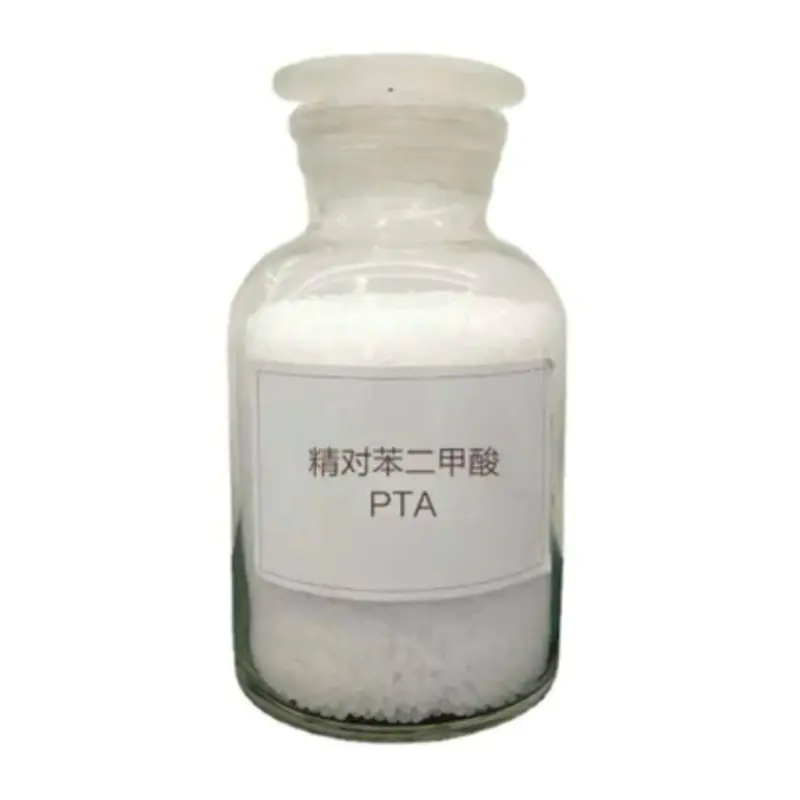
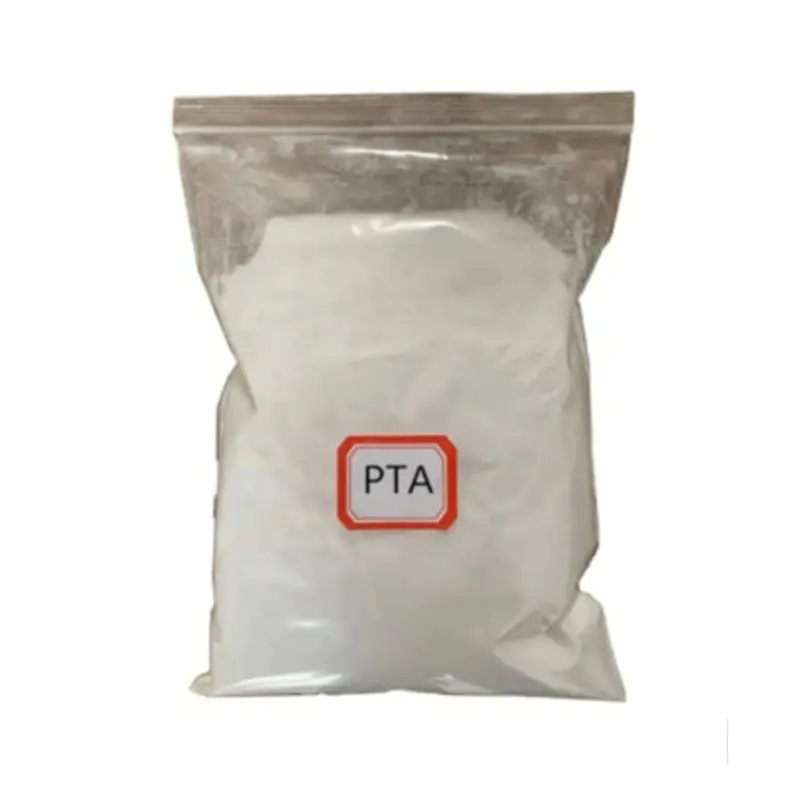
PTA CAS 100-21-0, or Purified Terephthalic Acid, is an aromatic dicarboxylic acid with the chemical formula C₈H₆O₄. It normally appears as a white crystalline powder and has a high melting point (>300 °C), good thermal stability, and very low solubility in water.
|
Property
|
Value
|
|
Molecular Formula
|
C₈H₆O₄
|
|
CAS Number
|
100-21-0
|
|
Appearance
|
White crystalline powder
|
|
Purity
|
Typically ≥ 99 %
|
|
Main Application
|
Polyester (PET) production
|
As an essential backbone chemical for polyester resin production, PTA’s large-scale industrial synthesis often involves the oxidation of p-xylene in the presence of catalysts.
How Is PTA Used in Industry?
PTA’s dominant role in industrial chemistry stems from its use as the primary feedstock for producing polyethylene terephthalate (PET), which accounts for over 90 % of its global demand. PET is widely used in:
-
Textiles and fibers (e.g., clothing and home fabrics)
-
Packaging materials such as bottles and containers
-
Films and engineering plastics
-
High-performance industrial materials like tire cords and filtration fabrics
Ningbo Shanshan Resources Coproration supplies high-quality PTA that feeds these critical markets.
What Are the Advantages of PTA?
1. Versatile Industrial Feedstock
PTA is the foundational raw material for polyester, enabling the creation of fibers, resins, and packaging polymers with excellent mechanical strength and chemical stability.
2. High Purity Ensures Consistency
High-purity PTA minimizes side reactions and improves polymer quality in downstream polymerization processes.
3. Global Infrastructure Support
Established manufacturing and supply chains (e.g., from producers like Ningbo Shanshan Resources Coproration) make PTA readily available for large-scale production.
What Are the Limitations of PTA?
Despite its advantages, PTA has some limitations that industries must consider:
-
Energy-Intensive Production: High temperatures are required, leading to significant energy consumption.
-
Environmental Concerns: Manufacturing can involve emissions and requires proper controls.
-
Limited Solubility: Poor water solubility demands careful handling in process setups.
How Does PTA Compare With Other Chemicals?
When compared to other dicarboxylic acids or precursors like isophthalic acid, PTA stands out due to its optimized polymerization characteristics and lower cost at industrial scales. Its structural symmetry also lends specific performance advantages for PET synthesis.
What Safety Considerations Should You Know?
PTA is typically low toxicity, but as with all industrial chemicals, appropriate safety measures are recommended:
-
Handle powders with dust control to limit inhalation risks.
-
Wear PPE in manufacturing settings.
-
Observe fire safety at high temperatures, as fine particles can be combustible.
Frequently Asked Questions (FAQ)
What exactly does “CAS 100-21-0” signify?
It refers to the unique Chemical Abstracts Service registry number assigned to Purified Terephthalic Acid, ensuring accurate substance identification worldwide.
Why is PTA critical for polyester production?
PTA is the major raw material used to synthesize PET, which is then processed into fibers, films, and plastic containers with high strength and stability.
How does PTA’s purity affect industrial use?
Higher purity levels reduce contaminants that can interfere with polymerization, leading to better product performance in polyester applications.
Are there different grades of PTA?
Yes, PTA can be tailored in grades depending on downstream needs, such as textile fiber-grade or bottle-grade PTA.
What should buyers check before purchasing PTA?
Buyers should check purity, moisture content, batch consistency, packaging type, and supplier reliability, such as offerings from Ningbo Shanshan Resources Coproration.